
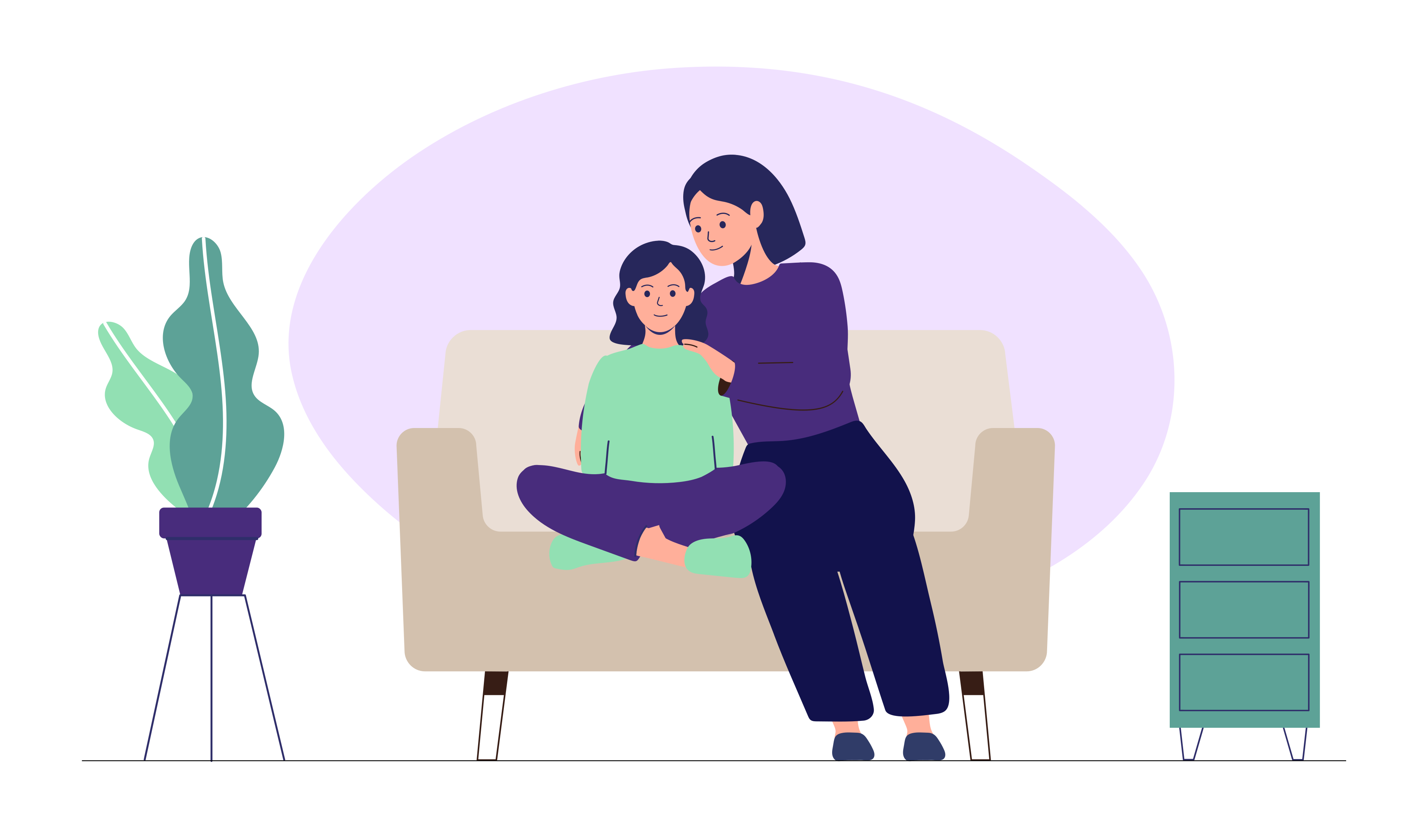
Supporting a child or young person after they’ve been affected by a terrorist incident can feel overwhelming. It’s normal to feel unsure about what to say or how to help them understand what’s happened.
You’re not expected to have all the answers
Below is some guidance on ways to support your child.
Let them know that trusted adults are working to keep them safe.
Some children may want to talk, while others will prefer not to. Let them know that either is OK, and that they can talk to you if and when they’re ready.
Use activities such as drawing, playing, writing or making videos to help your child express how they might be feeling.
If your child asks questions about what has happened, talk about what has been confirmed, rather than what is not known. With older children and teens, you might want to show them safe sources of information and explore how to identify misleading information.
Try to reduce exposure to graphic or rolling news coverage or social media content.
Your child may find comfort in connecting with others who have had similar experiences – for example at community events or local group activities. Some children may also want to get involved with fundraising or supporting local memorial activities.
Your child’s teachers and pastoral care leaders can help your child feel safer at school or college.
You can contact their class teacher, head of year, deputy head or headteacher, welfare officer or any other member of staff you feel comfortable speaking to. They will be able to advise what support they can offer your child.
You could talk to your child about this first – if this is age appropriate – so they’re aware school or college staff will know about this.
How the Support Hub can help
The Support Hub for Victims and Survivors of Terrorism can help you if you feel your child needs further help and support. We offer specialist guidance, emotional support and practical tools for both you and the child in your care.
If your child is referred to the Support Hub, they will receive a personalised support plan based on a specialist children and young person’s Trauma-Informed Needs Assessment (CYP TINA), created by a specialist caseworker who can provide referrals to other services if required.
My Support Space resources
There are also interactive guides on My Support Space to help you support both your child and yourself, including:
- How to talk to your child or young person after a terror incident
- Supporting someone after terrorism
- Understanding trauma.
Additional resources
Make a referral
Refer your child to the Support Hub for Victims and Survivors of Terrorism.